RSS

🏗️ City of Vancouver to Create For Profit Real Estate Development Company

The City of Vancouver is taking a bold new approach to addressing the housing shortage — by becoming a for-profit real estate developer.

City Council is expected to approve the creation of a wholly owned municipal development company that will build and operate market rental housing on six City-owned sites.

This new entity will operate as an independent “government business enterprise,” similar to the Surrey City Development Corporation (SCDC) model.


💰 What’s Planned

The City will sell six development sites worth a combined $412 million to the new company, with the goal of creating approximately 4,000 market rental homes across mixed-use projects.

Key sites include:

  • 625–777 Pacific St. (Granville Bridge north end): ~1,000 homes ($144M)

  • Burrard/Hornby/900 Pacific St.: ~1,100 homes ($79.3M)

  • 1510 Quebec St. & 1405 Main St. (near Science World): ($97.7M)

  • 2400 Kingsway (2400 Motel): ~900 homes ($36.4M)

  • Granville St. (Marpole): ($36.3M)

  • Main St. (Riley Park–Little Mountain): ($17.9M)

The Vancouver Housing Development Office (VHDO) is already advancing rezoning applications for several of these locations.


🎯 Purpose and Benefits

The City aims to deliver more rental housing without increasing its debt load or risking its credit rating.
By operating through a separate company, it can:

  • Secure its own financing

  • Generate long-term, sustainable revenue

  • Return profits to the City through dividends

  • Help stabilize taxes and fund future infrastructure

These projects will primarily target working- and middle-income households seeking secure, purpose-built rental options.


🧭 Governance & Funding

  • Startup funding: up to $8 million from the City’s Property Endowment Fund (over 5 years)

  • Debt cap: $200 million

  • Board: nine directors (six independent industry experts + three City representatives)

  • The company may partner with private developers, generally maintaining a 50%+ ownership stake in each project.


🔍 Context

Vancouver’s move mirrors similar strategies across the region.

  • Surrey’s SCDC pioneered this model in 2007, successfully completing major projects around City Centre.

  • TransLink recently launched its own real estate division to redevelop underused transit lands, aiming to boost both housing supply and transit ridership.


💬 Realtor Perspective

This initiative raises important questions for our industry:

  • How might this shift affect private development opportunities and land values?

  • Could municipal-led for-profit development influence market pricing or competition?

  • And most importantly — is this a model other cities will follow?

What are your thoughts?

📎 City of Vancouver: New Strategy for Market Rental Housing on City Land (Official Release)

#VancouverHousing #CityDevelopment #UrbanHousing #RentalHousingVancouver #HousingShortage #VancouverNews #CityPlanning #AffordableHousing #MarketRentals #UrbanPolicy #HousingCrisis #VancouverCityCouncil #GovernmentDevelopment #MunicipalProjects #HousingInnovation #VancouverUrbanism #CivicNews #CityGrowth #SustainableHousing #CommunityDevelopment #VancouverFuture #UrbanPlanningBC #HousingStrategy #LocalGovernment #CityInvestments

Read

BC Ends Single Family Only Zoning: What Bill 44 Means for Metro Vancouver!

The landscape of housing in British Columbia is changing - and it could impact your neighbourhood. With the passing of Bill 44 in November 2023, the province is moving to increase housing supply by allowing small scale multi unit housing (SSMUH) on lots that previously allowed only single-family homes.

If you live in Port Coquitlam, Coquitlam, Port Moody, Maple Ridge, or Pitt Meadows, this is something you’ll want to understand.


What is Bill 44?

Bill 44, formally known as the Housing Statutes (Residential Development) Amendment Act, is a provincial law that requires municipalities to update their zoning bylaws to allow more housing options on existing residential lots.

Previously, most single family lots in Metro Vancouver could only accommodate one home. Now, depending on lot size and proximity to transit, you may be able to build duplexes, triplexes, fourplexes, secondary suites, or laneway houses.

It’s important to note: homeowners are allowed to build more units but are not required to. The law is about increasing supply, not forcing construction.


Key Dates and Implementation

  • November 2023 – Bill 44 is passed by the BC Legislature.

  • June 30, 2024 – Municipalities are required to update their zoning bylaws to comply.

  • December 31, 2025 – Deadline for full implementation in all municipalities, including Maple Ridge and Pitt Meadows.


How the Changes Look Locally

Coquitlam

  • Lots ≤ 280 m² → up to 3 units

  • Larger lots → up to 4 units

  • Lots near frequent transit → up to 6 units (still uncommon in most areas)

Port Coquitlam

  • Many single-family zones now allow up to 4 units

  • Near frequent bus stops → triplex + secondary suite (up to 6 units)

Port Moody

  • Single-family/duplex lots → 3–4 units

  • Within 400 m of frequent transit → up to 6 units

Maple Ridge & Pitt Meadows

  • Denser infill possible near transit nodes such as Haney Place Exchange

  • Municipalities are updating Official Community Plans and zoning bylaws to comply


Why This Matters

Benefits

  • More housing supply → more rental and ownership options

  • Opportunities for homeowners → build extra suites or laneway homes for income

  • Neighborhood-friendly density → “missing middle” homes that fit better than high-rise apartments

Potential Challenges

  • Changes to neighborhood character → new housing forms may alter streetscapes

  • Infrastructure strain → roads, sewers, parking may need upgrades

  • Variability across lots → not all properties qualify, and local design rules still apply


What’s Next?

Homeowners, developers, and neighbours should monitor their municipal zoning updates, as each city may have slightly different rules, timelines, and incentives.

If you’re considering building or investing, understanding the “missing middle” opportunities now can give you a head start.


Final Thoughts

Bill 44 represents a major shift in BC’s approach to housing. By opening single family lots to small scale multi-unit housing, the province hopes to address the housing shortage while keeping communities walkable and diverse.

Whether you see it as a housing revolution or a change to neighborhood character, the impact will be visible in our cities over the next few years.

#BCHousing #Bill44 #Bill44BC #SmallScaleHousing #AffordableLiving #AffordableLivingBC #MetroVancouver #MetroVanHousing #HousingRevolution #HousingRevolutionBC #PortCoquitlam #PortCoquitlamHousing #Coquitlam #CoquitlamLiving #PortMoody #PortMoodyHomes #MapleRidge #MapleRidgeLiving #PittMeadows #PittMeadowsHomes #LanewayHomesBC #GardenSuitesBC #TriplexLiving #TownhomeLivingBC #MultiplexHousing #HousingForAllBC #TransitOrientedDevelopmentBC #HousingPolicyReformBC #AffordableHousingSolutions #CommunityDrivenHousing #SustainableHousingBC

Read

🍁 Happy Thanksgiving 🦃✨🧡


🌾🌿 Long before European settlers arrived, Indigenous peoples across Canada celebrated the fall harvest with feasts, ceremonies, and songs - giving thanks for the abundance of the land and the changing seasons. 🌾🌿

🌊🇨🇦 In 1578, English explorer Martin Frobisher and his crew held what’s considered the first recorded Thanksgiving in Canada. They gathered in what is now Nunavut, giving thanks for surviving a dangerous journey through Arctic waters on their way from England. 🌊🇨🇦

🤎🍂 Over time, Thanksgiving evolved into a day of gratitude, harvest, and togetherness, officially becoming a national holiday in 1879. In 1957, Parliament set the date as the second Monday in October, perfectly timed for Canada’s earlier harvest season. 🤎🍂

🥧🍷 We don’t all celebrate the same way - regional specialties, traditions, and cultural roots make every table unique. Whether it’s pumpkin pie, butter tarts, or a favourite family recipe, it’s the gratitude shared that matters most. 🥧🍷

🕯🍁 Wishing you a Thanksgiving weekend full of warmth, gratitude, and moments that remind you how much there is to be thankful for. 🕯🍁🧡

#HappyThanksgiving #CanadianThanksgiving #ThanksgivingCanada #GratefulHeart #HarvestSeason #FallVibes #GiveThanks #Thankful #CozySeason #AutumnVibes #PumpkinSeason #FallInCanada #Gratitude #CanadaStrong #ThanksgivingWeekend

Read

🎉 The New Pattullo Bridge Opens December 25, 2025 – What You Need to Know

The wait is almost over — after decades of conversation and several years of construction, the long-awaited Pattullo Bridge Replacement Project is nearing completion. On December 25, 2025, Metro Vancouver residents will officially welcome a safer, modern bridge across the Fraser River.


🚧 Why Replace the Pattullo Bridge?

Opened in 1937, the current Pattullo Bridge has long been considered functionally obsolete:

  • Narrow lanes without separation

  • Seismic vulnerability

  • High crash rates

  • Lack of safe pedestrian or cycling access

At 88 years old, it’s past its lifespan, and a new bridge has been badly needed.


🌉 Key Features of the New Bridge

  • Four wide lanes (10% wider than before)

  • Centre median to separate traffic

  • Pedestrian & cyclist pathways with protective barriers

  • Improved roadway connections on both sides of the Fraser

  • Future expansion ready — the design allows for up to six lanes if demand, funding, and community approvals align.


🚦 Why Only Four Lanes for Now?

While many commuters, particularly in Surrey, argue for a six-lane crossing immediately, there are important reasons for starting with four:

  1. Road Network Constraints – On the New Westminster side, streets like McBride Boulevard, East Columbia Street, and Royal Avenue cannot accommodate six continuous lanes without major expansion that would cut through neighborhoods.

  2. Bottleneck Concerns – Six lanes on the bridge would still funnel into four-lane roads on either end, shifting congestion into city streets.

  3. Future-Proofing – The bridge is designed with the structural capacity to expand, should the need arise.

This phased, cautious approach balances current demand with community impacts.


🌀 The Four Opening Phases

The opening will not be a simple ribbon-cutting. Instead, the new Pattullo will launch in four stages to carefully integrate with the road network:

Phase 1 – The new bridge partially opens; the Royal Avenue southbound on-ramp remains closed.
Phase 2 – A full closure for about a week, with no bridge crossing while final tie-ins at McBride and King George are completed.
Phase 3 – Traffic split: northbound shifts entirely to the new bridge, while some southbound traffic continues on the old bridge.
Phase 4 – All traffic moves onto the new bridge. The old bridge will close and eventually be removed.


🌿 A New Identity

Beyond its structural upgrades, the new bridge will also receive a new Indigenous name in hən̓q̓əmin̓əm̓, chosen in collaboration with the Musqueam and Kwantlen First Nations. The name is expected to be announced in the coming months, symbolizing respect for the land and history of the area.


🖼️ Community Enhancements

The project includes a new public art installation beneath the Highway 17–Old Yale Road overpass, as well as better pedestrian and cycling connections in both Surrey and New Westminster.


📅 What’s Next?

December 25, 2025, won’t just mark a holiday — it will mark the beginning of a new chapter for Metro Vancouver commuters. While the debate over four vs. six lanes will continue, one thing is certain: the new Pattullo Bridge will provide a safer, more reliable connection across the Fraser River for generations to come.


👩‍💼
Big changes like new infrastructure often influence local real estate trends.  Whether you’re considering upsizing, downsizing, or making your first move, let’s chat about how today’s market is shifting.

✨ Tara Kennedy
🏡 REALTOR®, ABR, RENE, SRS
📞 236-992-8989
🌐 TaraKennedy.ca
📧 TaraKennedySells@gmail.com

#PattulloBridge #PattulloReplacement #BridgeOpening #FraserRiver #McBrideBoulevard #KingGeorgeBoulevard #SurreyBC #NewWestminster #Infrastructure #BridgePhases #TransitFuture #BCTransportation #MetroVancouver #IndigenousNaming

Read

FIFA World Cup 2026 Tickets in Vancouver: What to Expect

The countdown to the FIFA World Cup 2026 is on, and excitement is building in Vancouver as the city prepares to host seven matches at BC Place. For many fans, the first big question is: what will tickets cost?

Ticket Pricing: Putting It in Perspective

FIFA has officially opened the first phases of ticket sales, with pricing divided into four categories. For Vancouver matches, here’s a look at the approximate ranges (in Canadian dollars):

  • Category 1: ~$662

  • Category 2: ~$495

  • Category 3: ~$230

  • Category 4: ~$230

For Canada’s opening match in Toronto — the country’s debut on home soil — tickets are understandably higher:

  • Category 1: ~$2,434

  • Category 2: ~$1,730

  • Category 3: ~$997

  • Category 4: ~$495

At first glance, these numbers may feel steep, but when compared to other major sporting or entertainment events, they’re not unusual. Courtside seats at an NBA game, front-row tickets to the Stanley Cup Finals, or VIP access at a sold-out concert often carry a similar premium. As with most major events, the top-tier tickets are aimed at the elite, while lower categories give everyday fans a chance to be part of the magic.

How to Secure Tickets

There are two primary paths for fans in Canada to purchase tickets:

  1. FIFA Ticketing Portal

  2. CanadaRED Membership

    • Canada Soccer offers its CanadaRED membership program, which provides weighted access to World Cup tickets. Higher membership tiers give better odds in ticket draws.

    • CanadaRED:  https://canadared.canadasoccer.com/

A Once-in-a-Lifetime Opportunity

For soccer fans in Vancouver — and across Canada — the World Cup is about more than just a ticket price. It’s a historic, once-in-a-lifetime opportunity to see the world’s biggest sporting event unfold in our own backyard. Whether you’re in the upper bowl or sitting pitch-side, the atmosphere will be unforgettable.

Yes, the top tiers come with a hefty price tag, but so do the most exclusive seats at any major sporting event. The important takeaway? There are still accessible options for fans who want to experience the excitement live.

Final Thoughts

The FIFA World Cup is unlike any other sporting spectacle, and Vancouver will be at the heart of it in 2026. Whether you’re a die hard supporter or just looking to soak in the atmosphere, now is the time to register, plan, and be ready when ticket windows open.

🎟️ FIFA World Cup 2026 Tickets - https://www.fifa.com/en/tournaments/mens/worldcup/canadamexicousa2026/tickets

🎟️ CanadaRED Membership - https://canadared.canadasoccer.com/

#WorldCup2026 #Vancouver #FIFA #BCPlace #SoccerFans #CanadaSoccer #SoccerCulture #VancouverEvents #SoccerLife #FootyFans #VancouverBC #FIFAWorldCup #VancouverSoccer #SoccerCommunity #TicketInfo #CanadaRED #SoccerLove #TheBeautifulGame #FIFA2026Tickets

Read

Truth and Reconciliation in British Columbia

🧡 September 30 is recognized as the National Day for Truth and Reconciliation, also known as Orange Shirt Day. While my work is in real estate, I believe it’s important that we as a community take time to understand and reflect on the true history of the land we live, work, and raise our families on.


The Land Before Settlement

For thousands of years, what we now call British Columbia was home to thriving Nations including Coast Salish, Nuu-chah-nulth, Kwakwakaʼwakw, Haida, Tsimshian, Gitxsan, Nisga’a, Secwépemc, Tsilhqot’in, Dakelh, Wet’suwet’en, and many more. 🌿 These Nations cared for and governed the land long before settlers arrived.

Early Contact and Colonization

European contact began in the late 1700s, with Captain James Cook and George Vancouver. By the mid-1800s, colonies were established, and the gold rush brought settlers who displaced Indigenous peoples from their homelands. ⚓

Land Dispossession and Reserves

In the 1860s, colonial officials such as Joseph Trutch reduced reserve sizes and denied Indigenous land title. Nations were forced onto small reserves, often on poor land, with limited access to resources. Conditions were restrictive and harsh. 🏞

Federal Control and the Indian Act

In 1876, the Indian Act gave the federal government sweeping control over Indigenous peoples. It determined who was legally recognized as “Indian,” controlled governance, and enforced assimilationist policies. 📜

Churches and Residential Schools

Churches, funded by the federal government, ran Residential Schools with the purpose of assimilating Indigenous children. Children were removed from their families, forbidden to speak their languages, and subjected to abuse. Schools in BC such as Kamloops, Alberni, and Kuper Island became infamous for these practices. ✝️

Deaths and Unmarked Graves

The Truth and Reconciliation Commission (TRC) confirmed over 3,200 deaths of children in residential schools. In 2021, ground-penetrating radar at the Kamloops Indian Residential School revealed 215 probable burial sites, confirming what Survivors had always shared. 🕯

Closing of the Schools

Residential Schools in BC operated for nearly 100 years. The last federally run school in the province closed in 1984, but the impact continues through intergenerational trauma.

Apologies and Steps Toward Change

In 2008, the Government of Canada issued a formal apology. In 2019, BC passed the Declaration on the Rights of Indigenous Peoples Act, committing to align provincial laws with the UN Declaration on the Rights of Indigenous Peoples. In 2023, September 30 became a statutory holiday in BC. 🇨🇦


Why This Matters in Our Communities

As someone who helps people find homes, I believe it is important to understand the truth about the land we live on. Reconciliation is about more than a single day. It is about remembering, acknowledging history, and supporting healing and change.

🧡 Let us honour Survivors, remember the children who never came home, and commit to keeping the truth alive. 🧡


#TruthAndReconciliation #OrangeShirtDay #EveryChildMatters #BC #IndigenousHistory #CommunityMatters

Read

Canadian Real Estate Correction Delayed In Other Provinces?

Despite all the talk of a Canadian housing market “crash,” the data tells a very different story depending on where you look. According to the Canadian Real Estate Association (CREA), the national benchmark home price fell to $686,800 in August 2025, down 19.4% (-$164,800) from the peak. But this steep drop is almost entirely due to what’s happening in Ontario and British Columbia. The rest of the country? Still hovering near record highs.


Record Highs Across Most Provinces

Looking beyond Canada’s two most expensive provinces reveals surprising resilience.

  • Newfoundland, a small market with fewer sales than Saskatoon, just set a fresh record high in August.

  • In total, 8 out of 10 provinces hit all-time highs within the past year, and 6 of those reached records in just the past quarter.

  • Provinces like Saskatchewan, Manitoba, Alberta, and the Atlantic region have only seen tiny declines, ranging from -0.13% to -1.97% from their peaks.

This hardly looks like a widespread crash—if anything, it shows that most provinces have only slowed in sales activity, not prices.


Ontario’s Steep Correction

Ontario has experienced the sharpest reversal in the country.

  • From March 2020, when interest rates were slashed, to February 2022, Ontario home prices soared 59.9% (+$396,500).

  • Since then, prices have dropped 25.6% (-$271,200).

  • Even after that correction, prices remain 18.9% (+$125,300) above pre-rate cut levels—meaning affordability is still stretched.

Ontario’s market shows just how sensitive expensive real estate can be to changes in interest rates.


BC’s Market: Stickier, But Still Correcting

Here in British Columbia, the correction has been more modest.

  • Prices jumped 51.6% (+$364,600) between March 2020 and April 2022.

  • Since the peak, they’ve slipped 12.0% (-$128,800), bringing the benchmark to $942,800 in August 2025.

That’s about half the correction Ontario has seen, which highlights how “sticky” BC’s market continues to be—even with higher rates weighing on buyers.


The Real Driver: Cheap Credit, Not Population Growth

So, what’s really behind the changes? It’s not just immigration or slowing population growth.

The true driver has been cheap credit. Lower interest rates during the pandemic fuelled massive borrowing, especially in expensive markets like Ontario and BC. Immigration and interprovincial migration helped add pressure, but ultimately, interest rates determined just how far buyers could stretch themselves.

This is why Ontario and BC corrected so sharply when borrowing costs climbed—while the rest of the country, with lower price points, continues to hold steady.


Bubble Contagion and Interprovincial Migration

Another trend worth noting is “bubble contagion.” Buyers leaving frothy markets like Toronto and Vancouver often look to other provinces, rationalizing higher prices elsewhere.

For example, the condo discount in Halifax versus Toronto shrank from 50% in 2020 to less than 20% in August 2025. That gap illustrates how demand and pricing pressures spill over across provinces, even when local fundamentals might not fully support it.


What It Means For Buyers and Sellers

Ontario and BC are correcting, while other provinces continue to hit new highs. The big question: are those markets immune, or just late to the downturn?

For buyers and sellers in BC, the takeaway is clear—our market remains resilient, but it’s not immune to rate pressures. Understanding these dynamics is key to making smart real estate decisions in today’s climate.


Let’s Chat About Your Next Move

Whether you’re considering upsizing, downsizing, or making your first move, let’s chat about your options and how today’s economic trends may affect your buying or selling strategy.

✨ Tara Kennedy
🏡 REALTOR®, ABR, RENE, SRS
📞 236-992-8989
🌐 TaraKennedy.ca
📧 TaraKennedySells@gmail.com


#CanadianRealEstate #BCRealEstate #HousingMarketUpdate #CREA #OntarioRealEstate #BCMarket #HomePricesCanada #RealEstateTrends #BuyingInBC #SellingInBC #TaraKennedyRealtor #TaraKennedy #HomeSweetHome #CREA #HousingBubble #AlbertaRealEstate #RoyalLepageEliteWest #InterprovincialMigration

Read

Bright Nights Returns to Surrey: Holiday Light Festival at Cloverdale Fairgrounds 2025

The holiday season just got brighter for Surrey residents! After more than 25 years dazzling visitors in Vancouver’s Stanley Park, the beloved Bright Nights holiday light show is officially coming back home to Surrey. Even better, it will be bigger and more magical than ever.

A Surrey Tradition Comes Full Circle

Bright Nights has deep roots in Surrey. Back in the mid-1980s, residents Bob Wingfield and Marg Barrett created an elaborate Christmas light display at their Newton home. With the help of local firefighters, the tradition grew and eventually became part of the BC Professional Fire Fighters’ Burn Fund, raising funds for burn survivors across the province.

In 1997, their lights were donated to the Burn Fund and became the heart of the Bright Nights in Stanley Park display. Now, decades later, the tradition is returning to where it all began.

As Surrey Mayor Brenda Locke put it: “This started in Surrey, and it is coming back home.”

The Festival Details

This year, Bright Nights will be featured as part of the Noel Holiday Light Festival at the Cloverdale Fairgrounds (Bill Reid Millennium Amphitheatre) from November 28 to December 28, 2025.

Here’s what visitors can look forward to:

  • 🎇 Over 3 million dazzling holiday lights along an accessible walking path around the pond

  • 🎡 A 50-foot Ferris wheel lighting up the skyline

  • 🎁 An expanded Christmas market filled with festive treats and treasures

  • 💖 Proceeds supporting the BC Professional Fire Fighters’ Burn Fund, helping burn survivors across B.C.

With more space to accommodate guests, Cloverdale offers the perfect setting for families, couples, and friends to celebrate the magic of the season.

Vancouver’s Loss, Surrey’s Gain

In past years, Bright Nights in Stanley Park featured a popular miniature train ride through the forest. Unfortunately, the train was recently deemed inoperable, prompting organizers to look for a new home. Surrey’s Cloverdale Fairgrounds was the perfect fit.

While Stanley Park will now host a new “Harry Potter: A Forbidden Forest Experience,” Surrey residents (and visitors from across the Lower Mainland) can celebrate the return of an event that truly belongs here.

Plan Your Visit

Bright Nights will run November 28 – December 28 at the Cloverdale Fairgrounds. Tickets are now available, and timed entry is required.

🎟 Get your tickets here 👉 www.noelfestival.com


✨ This holiday season, come be part of Surrey’s brightest tradition. Stroll under millions of sparkling lights, ride the Ferris wheel, shop the Christmas market, and help support a wonderful cause. ✨. Experience Bright Nights in Surrey Nov 28–Dec 28 at Cloverdale Fairgrounds! Millions of lights, Ferris wheel, market & family fun for a great cause. ✨

#BrightNightsSurrey #NoelFestival #SurreyEvents #HolidayLights #CloverdaleFairgrounds #ChristmasInSurrey #WinterFestival #FamilyFunBC #ChristmasMarket #SurreyBC #FraserValleyEvents #HolidayMagic #LightFestival #ThingsToDoInSurrey #SupportLocal

Read

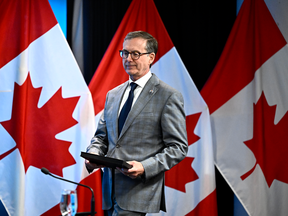
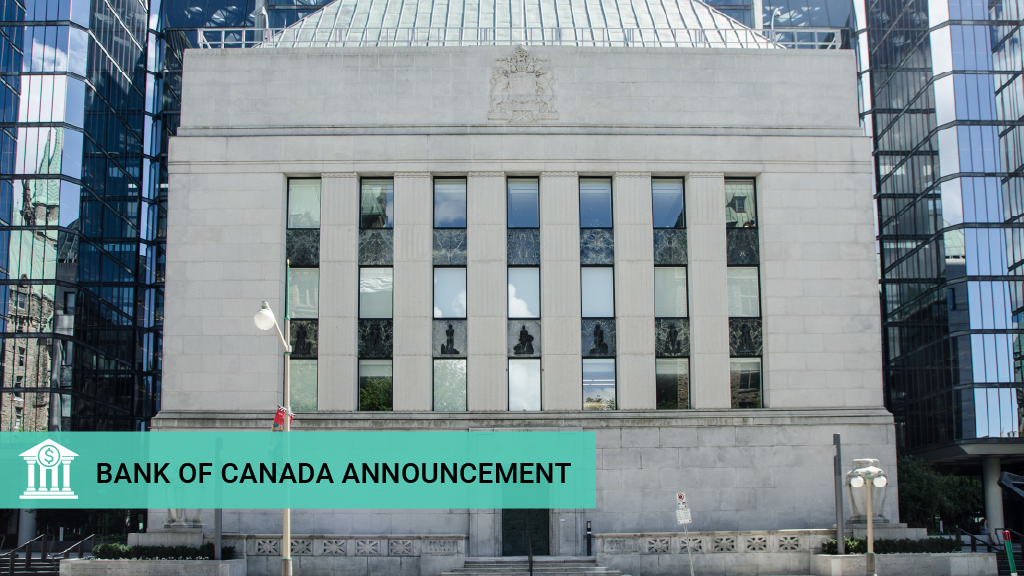
Bank of Canada Cuts Prime Lending Rate to 2.50% — What It Means for Homeowners

On September 17, 2025, the Bank of Canada announced a 0.25% cut to its key policy rate, bringing the overnight rate down to 2.50%. This marks the first rate cut in six months and the lowest rate in three years. For homeowners and prospective buyers, this could have important implications, depending on the type of mortgage you hold.


What This Means for Your Mortgage

With the prime lending rate now at 4.70%, here’s how different mortgage types are affected:

💸 Adjustable-Rate Mortgages (ARMs)

If you have an adjustable-rate mortgage, your interest rate is directly tied to the prime rate. With the recent decrease, your monthly payment could drop by approximately $13 per $100,000 owed. This can provide immediate relief on your monthly budget.

🏦 Fixed-Payment Variable Mortgages

For fixed-payment variable mortgages, your monthly payment remains unchanged, but more of it will now go toward reducing the principal. Over time, this means you pay down your mortgage faster and build equity sooner.

📊 Fixed-Rate Mortgages

Fixed-rate mortgages are not directly affected by the Bank of Canada’s policy rate. Instead, they are influenced by bond yields, which represent the return investors require for lending money over time. If bond yields decrease, future fixed rates may also decline, but existing fixed-rate mortgages remain the same.


✨ Economic Context

The Bank of Canada’s decision was influenced by several factors:

  • Economic slowdown: Canada’s GDP contracted by 1.6% in Q2 2025.

  • Labour market: Unemployment rose to 7.1% in August, the highest level in nine years outside of the pandemic.

  • Inflation trends: Core inflation remains near the upper end of the Bank’s target range but is projected to ease, helped by the removal of Canadian retaliatory tariffs on U.S. goods.


📌 Key Takeaways

  1. Adjustable-rate mortgage holders may see immediate savings.

  2. Fixed-payment variable holders won’t see a change in payments, but your principal will grow faster.

  3. Fixed-rate mortgage holders are unaffected for now, but future fixed rates may benefit from falling bond yields.

  4. Economic trends and inflation remain important to watch as they influence future rate decisions.


Contact Me for Real Estate Guidance

If you’re wondering how this rate cut could impact your home buying or selling plans, I can help you navigate the current market and make informed decisions. Whether you’re looking to buy your next home, sell your current property, or explore your options, I can provide the insights you need to take advantage of today’s market conditions.

📱 Tara Kennedy ~ REALTOR
📞 236-992-8989
🌐 TaraKennedy.ca


#BankOfCanada #PrimeRate #MortgageTips #HomeOwnership #VariableMortgage #FixedMortgage #BCRealEstate #FinancialPlanning #MortgageSavings #InvestInYourHome #TaraKennedyREALTOR #CanadaRealEstate #HomeFinance #MortgageUpdate #InterestRateCut

Read

📉🏡 Metro Vancouver Real Estate Market Update — August 2025 📊✨

The Metro Vancouver real estate market is showing signs of a gradual recovery. With easing home prices and more buyers stepping off the sidelines, now is a great time to understand the latest trends. Whether you’re planning to buy, sell, or stay informed, here’s a detailed look at the August 2025 market.


📈 Overall Market Activity in August 2025

Key metrics for August 2025 highlight renewed activity across the region:

  • 🏠 Total home sales: 1,959 — up 2.9% compared to August 2024

  • 📋 New listings: 4,225 — slightly ahead of last year and on par with the 10-year seasonal average

  • 📍 Active listings: 16,242 — a significant increase from last year and well above the long-term average

Insight: Increased sales activity suggests more buyers are entering the market while listings remain healthy. This could be the perfect window to make a move.


🏘️ Sales by Property Type

🏡 Detached Homes

  • 📈 Sales increased ~13% year-over-year

  • 💲 Benchmark price: ~$1,950,300

  • ⬇️ Down ~4.8% from last year and slightly lower than July

🏠 Attached Homes / Townhouses

  • 📈 Sales rose ~10.5%

  • 💲 Benchmark price: just over $1,079,600

  • ⬇️ Down ~3.5% year-over-year

🏢 Apartments / Condos

  • 📉 Sales slipped ~5.5% compared to August 2024

  • 💲 Benchmark price: ~$734,400

  • ⬇️ Down ~4.4% year-over-year

Insight: Buyers are returning to higher-priced detached and attached homes, while apartment sales remain slightly slower.


⚖️ Market Balance & What It Means

The sales-to-active listings ratio is a key indicator of market balance:

  • 📊 All property types: 12.4%

  • 🏡 Detached homes: ~9.3%

  • 🏠 Attached homes: ~15.8%

  • 🏢 Apartments: ~14%

Market implications:

  • 📉 Ratio <12% → downward pressure on prices

  • 📈 Ratio >20% → upward pressure on prices

  • 🗝️ Currently, buyers hold meaningful leverage

💲 Price trends:

  • Prices have eased ~2% since the start of the year

  • Month-over-month, prices dropped ~1% from July to August

  • Sellers are adjusting expectations, creating more opportunities for buyers


🔍 Spotlight & Key Trends

  • 💼 Higher-end buyers are returning to detached and attached homes

  • 📊 Rising sales may gradually reduce available inventory

  • ⏳ Buyer-friendly market conditions may not last long

  • 📈 If ratios climb toward 20%, sellers could regain leverage, pushing prices upward

Takeaway: Timing is critical. Acting before inventory tightens or prices shift can provide a competitive advantage.


✨ What This Means for Buyers & Sellers

  • 🏘️ If you’re thinking of buying or selling, now may be a sweet spot

  • 📊 Understanding neighbourhood specific trends can provide a competitive edge

  • 🤝 Partnering with an experienced REALTOR® ensures you navigate the market confidently


📞 Contact Tara Kennedy – REALTOR®

Stay informed, make smart real estate decisions, and take advantage of current market opportunities!


#MetroVancouverRealEstate #HousingMarket #VancouverHomes #BCRealEstate #BuyersMarket #HomePrices #DetachedHomes #Townhouses #Condos #RealEstateTrends #PropertyUpdate #PortCoquitlamRealEstate #PortMoodyRealEstate #CoquitlamRealEstate #PittMeadowsRealEstate #MapleRidgeRealEstate #GVR #NewWestminsterRealEstate #TaraKennedy #TaraKennedyRealEstate #TaraKennedyRealtor #HomeSweetHome #RoyalLepageEliteWest #RLP #GVRAugustStats #CoquitlamRealtor #PortCoquitlamRealtor #PortMoodyRealtor #PittMeadowsRealtor #MapleRidgeRealtor #NewWestminsterRealtor #BurnabyRealtor 

Read

🌍 Stay Safe While Travelling: Why Canadians Should Register with ROCA

Travelling internationally is one of life’s greatest adventures. Whether you’re exploring sun-soaked beaches, navigating the busy streets of a foreign city, or heading overseas for work, safety should always be part of your plan. One of the simplest and smartest steps Canadians can take before leaving the country is to sign up for ROCA – the Registration of Canadians Abroad.


✈️ What is ROCA?

ROCA is a free and confidential service provided by the Government of Canada. It’s designed to keep Canadians informed and connected while outside the country.

By registering, you ensure that Canadian officials can reach you in case of:

  • Emergencies at your destination such as natural disasters, civil unrest, or health crises

  • Personal emergencies back home when family needs to get in touch urgently

  • Travel advisories and updates that could impact your safety abroad


📆 How to Register

The process is quick and convenient:

  • Register before you leave Canada, or even once you’re already abroad

  • Sign up online (you can also register family members or travel groups)

  • Travelling to multiple destinations? You can register all of them at once


🔐 Privacy & Security You Can Trust

Many travellers hesitate to share personal information online—but with ROCA, your data is secure:

  • All information is protected under Canada’s Privacy Act

  • Registration details are automatically deleted 12 months after your return (or earlier if you register again for a new trip)


💡 Why ROCA is Worth It

When you’re far from home, peace of mind is priceless. Emergencies can strike without warning, and ROCA ensures you’re never left without support. From major events like earthquakes or political unrest, to unexpected family emergencies, this service ensures you’re reachable and informed when it matters most.


👉 Ready to Register?

Don’t wait until you’re at the airport. Take two minutes today to set yourself up for safer, smarter travel.

🔗 Register for ROCA here


As a local realtor who also loves exploring the world, I believe in travelling safe and smart. Whether you’re planning a quick getaway or an extended stay abroad, registering with ROCA is one of the easiest ways to protect yourself and your loved ones.

📞 If you’d like more tips for safe travel or if you’re looking to buy or sell a home here in the Tri-Cities I would be happy to help.

Tara Kennedy – REALTOR®
📧 TaraKennedySells@gmail.com
📱 236-992-8989

#TravelSmart #CanadaAbroad #SafeTravels #CanadianTravelers #PeaceOfMind #ROCA #RegistrationOfCanadiansAbroad #TravelSafety #StaySafeAbroad #CanadiansTravel #TravelCanada #TravelPreparedness #EmergencyPreparedness #TravelTips #GlobalTravel #CanadianTravelers #InternationalTravel #TravelAlert #TravelSupport #PeaceOfMindTravel #StayConnectedAbroad

Read

🏠 Vancouver's Empty Homes Tax: A Step Towards Affordable Housing

In 2017, Vancouver became the first city in Canada to implement an empty homes tax, aiming to address the housing crisis by encouraging owners of vacant properties to rent or sell. The tax rate was initially set at 1% and increased to 3% in 2021. Proceeds from the tax have been allocated to various affordable housing initiatives, with a 2024 city report stating that $170 million raised by the tax has already been allocated to these initiatives.

📉 Impact on Vacant Homes

Since the implementation of the empty homes tax, the number of vacant homes in Vancouver has decreased significantly. The 2023 vacancy reference year declared vacant rate was 0.54%, the lowest since the inception of the tax. This indicates a continued downward trend in vacant homes, aligning with the goals of the empty homes tax program. City of Vancouver

💰 Revenue Allocation

Since the inception of the empty homes tax, $169.8 million has been allocated to support a variety of affordable housing initiatives. These funds are used to support the delivery of new social, supportive, and non-profit co-op housing through the City's Community Housing Incentive Program (CHIP) and acquisition of new land for housing.

🏛️ Proposed Changes by Councillor Sean Orr

COPE Councillor Sean Orr plans to introduce a motion at the next city council meeting aiming to increase the rate of the empty homes tax and end the exemption for unsold new units. Orr argues that these changes reduce the incentive for owners to sell or rent out empty homes and decrease the funds available for affordable housing.

If you're interested in learning more about the empty homes tax and its impact on Vancouver's housing market, feel free to contact me.

✨ Tara Kennedy

💼 REALTOR, ABR, SRS, RENE

📞 Phone: 236-992-8989

📧 Email: TaraKennedySells@gmail.com

🌐 Website: TaraKennedy.ca

Let's work together to ensure that Vancouver remains a city where everyone has a place to call home.

#VancouverHousing #EmptyHomesTax #AffordableHousing #VancouverRealEstate #HousingCrisis #CommunityHousing #VancouverCityCouncil #SeanOrr #VancouverBC #RealEstateVancouver #HousingPolicy #VancouverLiving #SupportAffordableHousing #VancouverNews #HousingInitiatives #VancouverCommunity

Read
Reciprocity Logo The data relating to real estate on this website comes in part from the MLS® Reciprocity program of either the Greater Vancouver REALTORS® (GVR), the Fraser Valley Real Estate Board (FVREB) or the Chilliwack and District Real Estate Board (CADREB). Real estate listings held by participating real estate firms are marked with the MLS® logo and detailed information about the listing includes the name of the listing agent. This representation is based in whole or part on data generated by either the GVR, the FVREB or the CADREB which assumes no responsibility for its accuracy. The materials contained on this page may not be reproduced without the express written consent of either the GVR, the FVREB or the CADREB.