RSS

New REALTORS® Disclosure Rules: What You MUST Know About Material Latent Defects 🏡📜🔍

Navigating real estate in BC just got clearer! The new REALTORS® Disclosure of Material Latent Defects (MLD) Form is here — and while the disclosure duty hasn’t changed, how we document it has. This blog will break down the latest guidance and how to best protect yourself and your clients. ⬇️✨


💡 Why the Change Matters

While the disclosure obligation remains unchanged — licensees must disclose all known material latent defects — the revised form is a refreshed tool to help REALTORS® meet their legal and ethical duties under Section 59 of the Real Estate Services Rules, the REALTOR® Code, and BCFSA/BCREA guidelines.


📏 Legal & Ethical Duties at a Glance

  • Section 59(2): If you know of an MLD, you must disclose it in writing to all parties before any sale agreement is signed — separate from the purchase contract.

  • Section 59(3): If the seller instructs you not to disclose, you must withdraw from providing trading services.

  • REALTOR® Code (Article 4): REALTORS® must discover and disclose all facts that materially impact a transaction — visible or not — including condition, risks, hazards, and past use.

You don’t need to act like an inspector — but ignoring red flags isn’t an option. Asking the right questions and doing reasonable research is key to fulfilling your duty.


🛠 What Counts as a Material Latent Defect?

A material latent defect is something not apparent through reasonable inspection, such as:

  • Safety hazards or unfit-for-purpose conditions 🚫

  • Issues requiring major repair costs 💰

  • Local authority notices or unapproved renovations 🏗

  • Missing building permits 📂

Examples: water ingress 💧, structural damage 🏚, unpermitted additions, underground tanks ⛽, high radon levels ☢, or no permit history.


📄 Form Essentials: When & How to Use It

New Form Highlights:

  • Formerly known as the “Seller’s Disclosure of Material Latent Defects,” now the REALTORS®’ Disclosure of Material Latent Defects Form — highlighting that disclosure is the REALTOR®’s responsibility.

  • Includes a seller acknowledgment, confirming their understanding and authorizing disclosure where required.

When to use it:

ScenarioUse Form?
You know of an MLD✅ Required — complete and deliver
Seller completes accurate PDS with no concerns☑ Recommended but not mandatory
Seller refuses PDS but no MLDs known☑ Recommended to document
You suspect defects (e.g., unpermitted work)🔍 Investigate, document, and use if confirmed or uncertain

🛡 Best Practices & Risk Management

  • Always document your due diligence: seller communications, permit checks, FOI requests, inspection notes.

  • Retain all disclosures — PDS, MLD form, seller conversations — in your brokerage file.

  • Remember: Signatures don’t shift responsibility. Overlooking obvious risks, even after signing, can lead to discipline or liability.


📌 Quick Takeaways for REALTORS®

  1. 📜 Disclosure duty hasn’t changed — but documentation tools have.

  2. 🛠 Use the new form as both protection and professionalism.

  3. 🔍 Investigate diligently and keep records.

  4. ✅ The form is proof of integrity and accountability.


📲 Ready to Talk MLDs? Let’s Connect!

Your clients deserve clarity and protection, and you deserve confidence. Whether you're a seller navigating your responsibilities or a buyer curious about what’s hidden, I'm here to help.

Tara Kennedy – REALTOR®
📞 236-992-8989
📧 TaraKennedySells@gmail.com
🌐 www.TaraKennedy.ca

Let’s make your next transaction transparent, compliant, and stress-free. 💬✨


#BCRealEstate #MetroVancouverRealEstate #BCFSA #BCREA #RealEstateTips #HomeBuyingBC #HomeSellingBC #PropertyDisclosures #MaterialLatentDefects #RealEstateCompliance #BCRealtor #CoquitlamRealEstate #PortMoodyRealEstate #PortCoquitlamRealEstate #TriCitiesBC #HomeSellingTips #HomeBuyingTips #KnowBeforeYouBuy #RealEstateEthics #RealEstateKnowledge #LicensedRealtorBC #DisclosureForm #BuyerBeware #SellYourHomeBC

Read

🏡 Metro Vancouver Real Estate Update – July 2025: Sales Recovery Gains Momentum 📈

Homebuyers and sellers in Metro Vancouver are watching closely: July 2025 brings encouraging signs of a market recovery.


✨ Key Highlights:

  • Residential sales on the MLS® reached 2,286 units in July 2025, just a 2% decline from 2,333 in July 2024—a notably tight gap compared to earlier in the year.

  • Still 13.9% below the 10-year seasonal average of 2,656.

  • 5,642 properties were newly listed in July 2025—slightly up 0.8% year-over-year and 12.4% above the 10-year average of 5,018.

  • Total active listings stood at 17,168, up 19.8% year-over-year and a hefty 40.2% above the 10-year seasonal norm of 12,249.


📊 Sales-to-Active Listings Ratio & Market Balance

Despite the slowdown earlier this year, the sales-to-active listings ratio for July sits at 13.8%, with breakdowns by property type:

  • 🏠 Detached homes: 10.2%

  • 🏘 Attached homes (townhouses): 16.7%

  • 🏢 Apartments: 15.9%

Historically, ratios below 12% suggest downward pressure on prices, while sustained ratios above 20% indicate upward pressure. At 13.8%, the market is in a balanced zone—favorable for buyers, although continued sales recovery could tighten conditions.


💰 Benchmark Price Trends

The MLS® Home Price Index composite benchmark for all residential properties in Metro Vancouver is $1,165,300, marking a 2.7% decrease year-over-year and 0.7% month-over-month decline from June.

By property type:

  • 🏡 Detached homes: $1,974,400 — down 3.6% YoY and 1% MoM.

  • 🏢 Apartments: $743,700 — down 3.2% YoY and 0.6% MoM.

  • 🏘 Townhouses: $1,099,200 — down 2.3% YoY and 0.4% MoM.


🔍 What the Data Means for You

For Buyers:

  • ✅ Conditions remain favorable—plenty of choice and balanced pricing.

  • 🕒 Still time to negotiate, inspect, and benefit from the current supply.

For Sellers:

  • 📈 A possible uptick in buyer activity may gradually shift leverage.

  • 🎯 Pricing and presentation will be crucial to stand out as competition persists.

Economic Outlook:
With the Bank of Canada holding interest rates steady in July, borrowing cost stability may boost confidence—particularly during ongoing economic uncertainties.


📋 Summary Table

MetricJuly 2025 ValueYear-over-Year ChangeMonth-over-Month Change
Residential Sales2,286 units–2%
New Listings5,642 units+0.8%
Active Listings17,168 units+19.8%
Sales-to-Active Listings Ratio13.8% overall
Composite Benchmark Price$1,165,300–2.7%–0.7%
Detached Benchmark Price$1,974,400–3.6%–1.0%
Apartment Benchmark Price$743,700–3.2%–0.6%
Townhouse Benchmark Price$1,099,200–2.3%–0.4%

📞 Stay Informed — Let’s Talk About Your Real Estate Goals!

Whether you're navigating the market as a buyer or seller, it’s all about timing, local insight, and strategy.

Contact me today for personalized guidance:
Tara Kennedy – REALTOR®
📱 236-992-8989
📧 TaraKennedySells@gmail.com
🌐 www.TaraKennedy.ca


#MetroVancouverRealEstate #VancouverHousingMarket #MLSStatsJuly2025 #HomeSalesRecovery #HousingInventory #RealEstateUpdate #BuyerMarket #SellerStrategy #VancouverHomes #CoquitlamRealEstate #PortCoquitlam #PortMoodyHomes

Read

Winter 2025–2026 Forecast: Canada, Get Ready for a Classic Winter!

The Farmers’ Almanac has released its extended forecast for Winter 2025–2026, and the verdict is in — this will be “a winter to remember”. From British Columbia’s rainy coastlines to Atlantic Canada’s blizzard-prone shores, Canadians can expect a return to the traditional winter patterns we know all too well: deep freezes, heavy snow, and powerful storms.

Let’s break it down region by region, starting in the west.


British Columbia 🌲❄️

Winter in BC will bring average temperatures and precipitation overall — but don’t be fooled by the word “average.”

  • Coastal BC: Expect a wintry mix with torrential rain, high winds, occasional thaws, and local flooding during strong storms.

  • Interior BC: Pacific storms will drop heavy snow, making ski resorts very happy.

  • Southern BC: Brief warm spells in February and early March will bring mild weather, but rain and wind will dominate.

It’s a winter that will keep snow lovers happy in the mountains while rain gear is a must along the coast.


The Prairies – Alberta, Saskatchewan, Manitoba 🌾🥶

The Prairies are in for a very cold winter with above-average snowfall. Arctic air is expected to dominate in January and February, bringing:

  • Prolonged deep freezes with dangerous wind chills

  • Whiteouts and blizzards from fast-moving weather systems

  • Plenty of Alberta Clippers — quick, powerful winter storms that form in Alberta and race southeast, bringing bursts of snow, strong winds, and a blast of Arctic cold behind them. Even when snowfall totals are low, blowing snow can make it feel like a full-on blizzard.


Ontario 🍁🌨

Winter in Ontario will be cold with above-average snowfall.

  • Southern Ontario: Expect more variability with occasional thaws, but also sharp cold snaps.

  • Frequent snowstorms and lake-effect snow will keep shovels working overtime.

  • Icy roads and sidewalks will be a common challenge.


Quebec 🦌❄️

A cold and snowy season lies ahead.

  • Northern Quebec: Deep freezes and dangerous wind chills thanks to Arctic air masses.

  • Southern Quebec: Occasional thaws will break up cold snaps, but late January and February could bring multiple blizzards and nor’easters.


Atlantic Canada 🌊☃️

Bundle up and keep the snowblower ready — Atlantic provinces will see a cold, wet, and snowy season.

  • Nova Scotia & PEI: Frequent rain-snow mixes with coastal flooding during strong storms.

  • Newfoundland & Labrador: Multiple blizzards in January and February will make for challenging travel and storm-watching opportunities.


Month-by-Month Highlights 📅

  • Late December 2025: Unsettled weather — snow and sleet in the East, mixed conditions in the West.

  • January 2026: Stormy and frigid from coast to coast. Arctic blasts for the East, blizzards in the Prairies, rain/snow mix in BC.

  • February 2026: Widespread snowstorms, deep freezes, and more blizzards in Ontario and the Prairies.

  • March 2026: A transitional month — cold lingers in the North and East, while milder air and rain push in from the West, along with late-season snowstorms.


Final Word 🌟

From coast to coast, Winter 2025–2026 will deliver classic Canadian conditions — the kind that make you both love and dread the season. Whether you’re a skier, a snow-shoveler, or just a cocoa drinker, be prepared for a season full of variety and extremes.

And if your winter plans include moving into a new home, selling your current property, or finding that perfect cozy space before the snow flies again, I’d be happy to help you navigate the market — no snow tires required.

If your plans for this winter include buying a new home, upgrading to something cozier, or selling your property before spring, I’m here to help you navigate the real estate market with confidence — snow or shine.

📍 Tara Kennedy
REALTOR®
📞 236-992-8989
📧 TaraKennedySells@gmail.com
🌐 www.TaraKennedy.ca


#FarmersAlmanac #WinterForecast2025 #CanadianWinter #SnowDay #BCRealEstate #PrairieWeather #Snowstorms #DeepFreeze #Blizzards #AlbertaClippers #BCHomes #PrairieLife #WinterWeatherCanada #CanadianRealEstate #TricitiesRealtor #PortCoquitlam #PortMoody #Coquitlam #WinterIsComing #HomeSweetHome #BCLiving #RoyalLePageEliteWest #TaraKennedy #TaraKennedyRealtor #BCWinter

Read

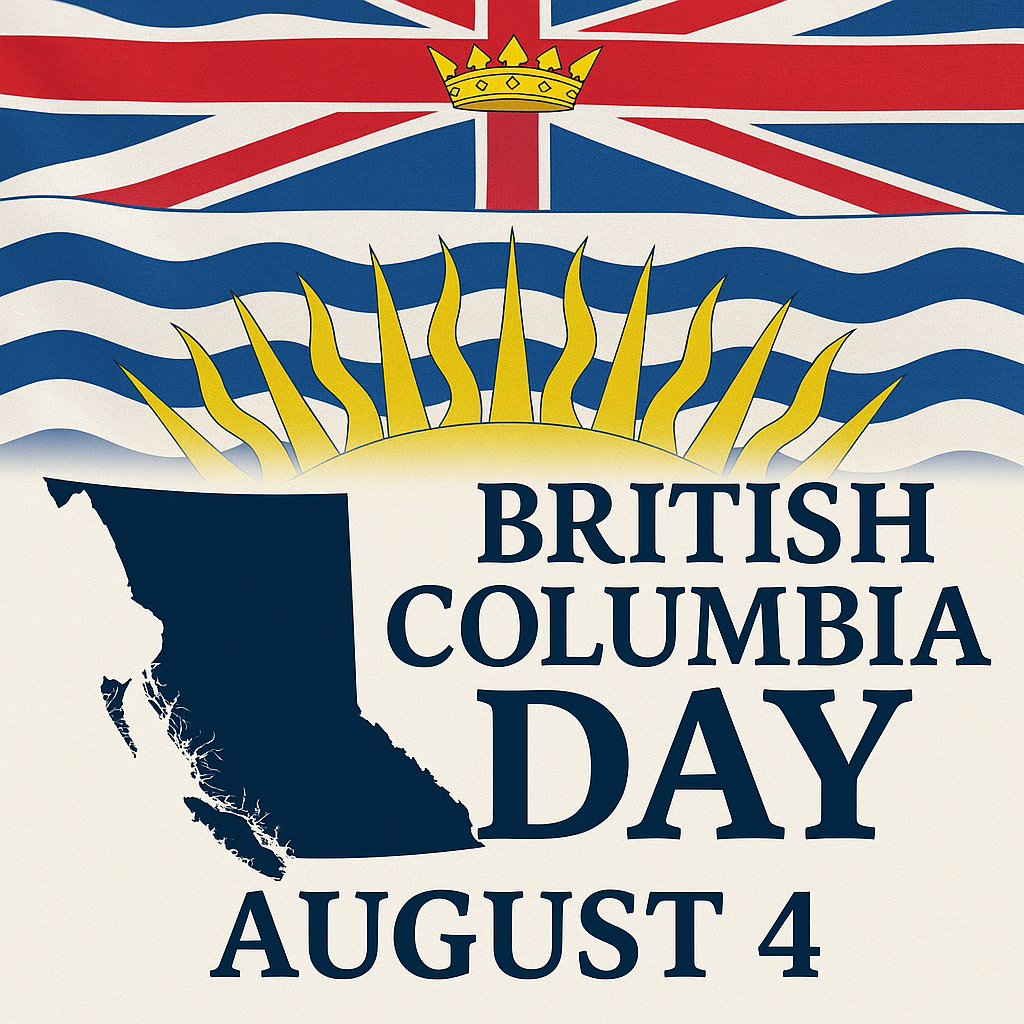
What Is BC Day? Understanding the August Holiday in British Columbia 🇨🇦

Every year on the first Monday in August, British Columbians enjoy a well-deserved long weekend known as BC Day. But what exactly is this holiday all about, and how does it fit into the bigger picture across Canada?

While it may feel like just another summer day off, BC Day is much more than that. It’s a time to reflect on the rich history, diverse culture, and unique identity of British Columbia — a province known for its natural beauty, Indigenous heritage, and pioneering spirit 🌲⛰️

A Civic Holiday With Many Names

Across Canada, the first Monday of August is recognized in many provinces and territories, though it’s not a federal statutory holiday. That’s why the name and focus of the holiday vary depending on where you are.

In BC, it’s officially called British Columbia Day, while other provinces have their own versions:

  • Heritage Day in Alberta

  • Saskatchewan Day in Saskatchewan

  • Natal Day in parts of the Maritimes

  • Civic Holiday in Ontario and other regions

Despite the different names, the common goal is to celebrate local culture, history, and community. It’s a moment for Canadians to take pride in where they live and reflect on the people and events that helped shape their part of the country 🍁

A Tribute to BC’s History

BC Day was first introduced in the 1970s to honour the early settlers and Indigenous peoples who laid the foundations of British Columbia. The holiday also aligns with a key moment in provincial history — the declaration of the Colony of British Columbia in August 1858 by the British Crown.

British Columbia became a Canadian province in 1871 and has since grown into a vibrant and diverse region that plays a major role in Canada’s economy, environment, and cultural identity. BC Day reminds us of that journey and the people who helped build it.

A Chance to Celebrate Identity and Community

Unlike some of the other statutory holidays in the year, BC Day doesn’t mark a single historic event or national milestone. Instead, it serves as a broad celebration of who we are as British Columbians. It’s about connection — to the land, to our heritage, and to each other.

Whether you were born here or made BC your home later in life, this holiday is a chance to reflect on your place in this beautiful province and appreciate the freedoms, opportunities, and diversity that make it such a special part of Canada 🌎❤️

A Note About Statutory Holiday Status

BC Day is a provincial statutory holiday, which means most employees in British Columbia are entitled to a paid day off. Essential services, transit, and some retail operations may still be open with adjusted hours. If you work on BC Day, you may be eligible for statutory holiday pay, depending on your employment status and whether you meet certain conditions.

If you’re unsure about your rights as a worker during a statutory holiday in BC, it’s a good idea to review the Employment Standards Branch guidelines or check with your employer ✅

Why It Matters

BC Day is more than just a long weekend. It’s a time to reflect on the history of British Columbia, celebrate its contributions to Canada, and take a moment to feel proud of the place we call home.

Whether you’re enjoying time with family, exploring local history, or simply relaxing at home, BC Day invites us all to pause and appreciate everything this province stands for 🏞️💙


#BCDay #BritishColumbiaDay #CivicHoliday #CanadianHolidays #BCPride #AugustLongWeekend #CanadianHeritage #BCCulture #ExploreBC #HistoryOfBC #StatHoliday #CanadaLife #ProudToBeCanadian

Read

🔥 Register to Warm Up: Metro Vancouver’s Wood‑Burning Rule You Must Know! 🌿

Are you snuggling up by a fireplace or using a wood or pellet stove in Metro Vancouver? Good news—there's no cost—but there’s a new rule: you must register your appliance and declare you burn cleanly.

📜 What Is Bylaw 1303?

Metro Vancouver Regional District’s “Residential Indoor Wood Burning Emission Regulation Bylaw No. 1303, 2020” aims to reduce harmful wood smoke emissions from homes and safeguard air quality and public health. It came into force in stages from 2020 through 2025.
👉 Read the full bylaw here (PDF)

Who & What Is Affected?

Homes within Metro Vancouver’s Urban Containment Boundary—which includes Richmond, Vancouver, Burnaby, Coquitlam, Surrey, and more—must comply if they use any of these:

  • Open fireplaces

  • Wood stoves or inserts

  • Pellet stoves

  • Masonry heaters

  • Wood-burning furnaces
    👉 Check eligibility and locations here

✅ What You Must Do

  1. Submit a Declaration of compliance with best burning practices (Schedule B).

  2. Register each eligible device before September 15, 2025. No fee—registration is free.
    👉 Register your wood-burning device

Fail to comply, and after initial education and warnings, you could face fines ranging from $100 to $500.
👉 More info on enforcement and penalties

🪵 What Are Best Burning Practices?

  • Burn only clean, seasoned wood (≤ 20% moisture), pellets, or approved firelogs

  • Never burn garbage, treated or painted wood, plastics or rubber

  • Keep fires small, hot and avoid smoldering

  • Only visible smoke during startup—and no more than 20 minutes in any 4‑hour period

  • Maintain your appliance properly and inspect regularly
    👉 Best practices guide

🚫 Seasonal Restrictions & Exceptions

  • Burning is prohibited from May 15 to September 15 each year — unless:

    • Your wood device is your sole source of heat

    • You live off‑grid outside the urban containment boundary

    • There’s an emergency (e.g., power outage lasting over 3 hours)
      👉 More on seasonal rules

  • From September 15, 2025, unregistered devices can no longer be used—except for low income households or emergencies.

📝 Device Registration Eligibility

You can register devices that:

  • Meet Canadian or US certification standards, or emit ≤ 4.5 g/hour of fine particulates (Schedule A)

  • Are the sole source of heating in your home

  • Operate exclusively with manufactured firelogs and emit no visible smoke
    👉 Device registration info and form

You’ll need documentation like model info, certification labels, receipts, or a declaration, depending on eligibility.

🖋️ Penalties & Enforcement

Metro Vancouver will begin with educational outreach, then warnings. Continued non‑compliance may lead to municipal tickets or notices, and fines up to:

  • $500 for violations of declarations or registration requirements

  • Up to $10,000 for ongoing offences or false information submitted

🧾 Summary Table

RequirementDeadlineFeeNotes
DeclarationNowNoneAgree to follow best burning practices
Device RegistrationBy Sept 15, 2025NoneOnly eligible devices need registering
Burning RestrictionsMay 15–Sept 15Unless sole heat, off‑grid, or emergency
Renewal of DeclarationsEvery 3 years (from 2025)NoneApplies if within UCB

🌟 Why It Matters

Wood burning is the largest contributor of fine particulate air pollution in Metro Vancouver. These particles harm lungs and heart—especially in children, seniors, and those with respiratory conditions. Bylaw 1303 is designed to curb that pollution and keep community air cleaner.
👉 About the air quality program


💡 Call to Action: What You Should Do Now

  1. Visit Metro Vancouver’s online Residential Indoor Wood Burning System to declare compliance and register devices if needed.
    👉 Start here

  2. Gather your appliance info (model, certification, fuel type).

  3. If renting or in a strata, notify your property manager or strata corp—they must ensure compliance too.

  4. Practice clean burning moving forward!

🔥 Don’t be caught out this winter—declare, register, and burn clean!


💬 Tara Kennedy
Realtor® | Tri-Cities Real Estate
📞 236-992-8989
📧 TaraKennedySells@gmail.com
🌐 www.tarakennedy.ca


#MetroVancouver #Bylaw1303 #FireplaceRegistration #WoodBurningBylaw #MetroVanAirQuality #CleanBurning #EcoHeating #TriCitiesLiving #CoquitlamRealtor #PortMoodyRealEstate #PortCoquitlamHomes #HomeownerTips #FireplaceSafety #HomeHeating #EnvironmentFirst #WinterReadyBC #BCHomeowners #HomeRegulationsBC #RegisterYourFireplace #MetroVanRules #TaraKennedyRealtor

Read
Reciprocity Logo The data relating to real estate on this website comes in part from the MLS® Reciprocity program of either the Greater Vancouver REALTORS® (GVR), the Fraser Valley Real Estate Board (FVREB) or the Chilliwack and District Real Estate Board (CADREB). Real estate listings held by participating real estate firms are marked with the MLS® logo and detailed information about the listing includes the name of the listing agent. This representation is based in whole or part on data generated by either the GVR, the FVREB or the CADREB which assumes no responsibility for its accuracy. The materials contained on this page may not be reproduced without the express written consent of either the GVR, the FVREB or the CADREB.